

How to Prevent Paint Peeling, Cracking, and Fading
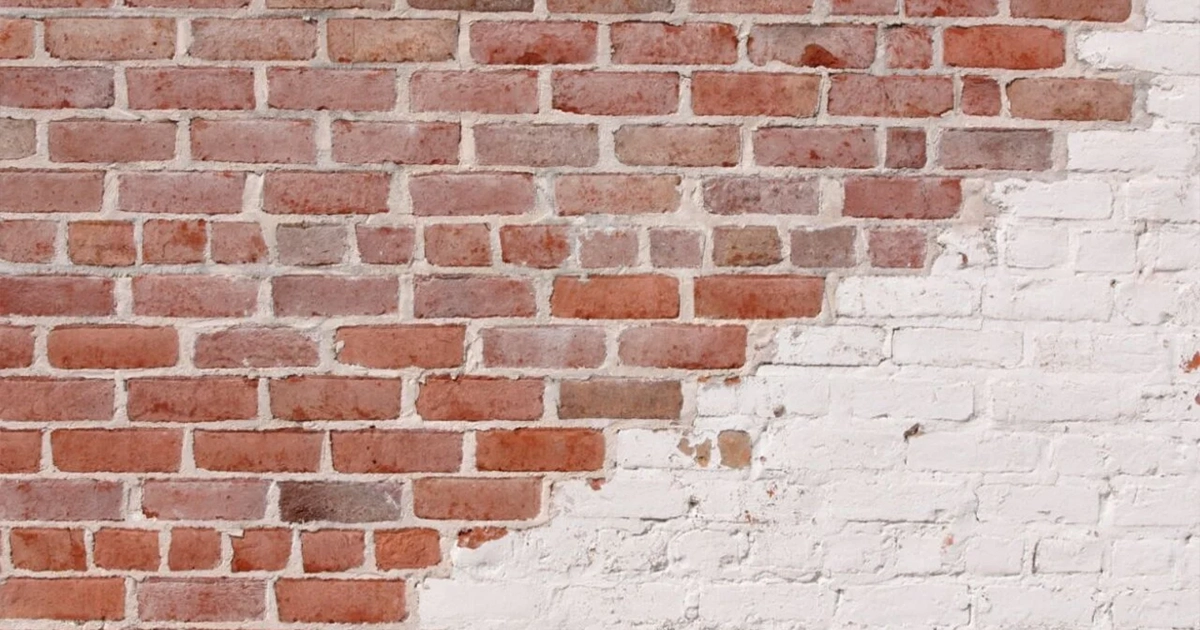
A beautifully painted surface enhances the look and value of any home or commercial space. However, many property owners struggle with recurring paint problems that reduce durability and appearance. Learning how to prevent paint peeling, cracking, and fading helps protect walls while ensuring long-lasting visual appeal.
Paint failure is rarely caused by one mistake. Instead, it develops from poor preparation moisture exposure or incorrect product choices. Therefore, understanding the right techniques before painting saves time money and effort over the long term.
Understanding why paint problems occur
Before applying solutions it is important to understand why paint deteriorates. Paint works as a protective layer that bonds with the surface underneath. When this bond weakens, problems start appearing gradually.
Paint peeling causes and prevention methods are directly linked to surface condition,n environmental exposure and application quality. When one factor is ignored, paint performance suffers regardless of brand or color choice.
Common causes of paint failure
The most frequent reasons behind paint damage include the following.
- Moisture trapped inside walls or surfaces
- Improper surface preparation and painting practices
- Poor primer selection for walls
- Low-quality paint is unsuitable for the environment
- Excessive sunlight exposure without UV resistance
Because these issues often overlap, addressing them together produces the best results.
How to prevent paint peeling, cracking, and fading effectively
A durable paint finish begins long before the paint can is opened. Planning preparation and material selection determine the success of the entire project.
Each step works together to create strong adhesion flexibility and color retention.
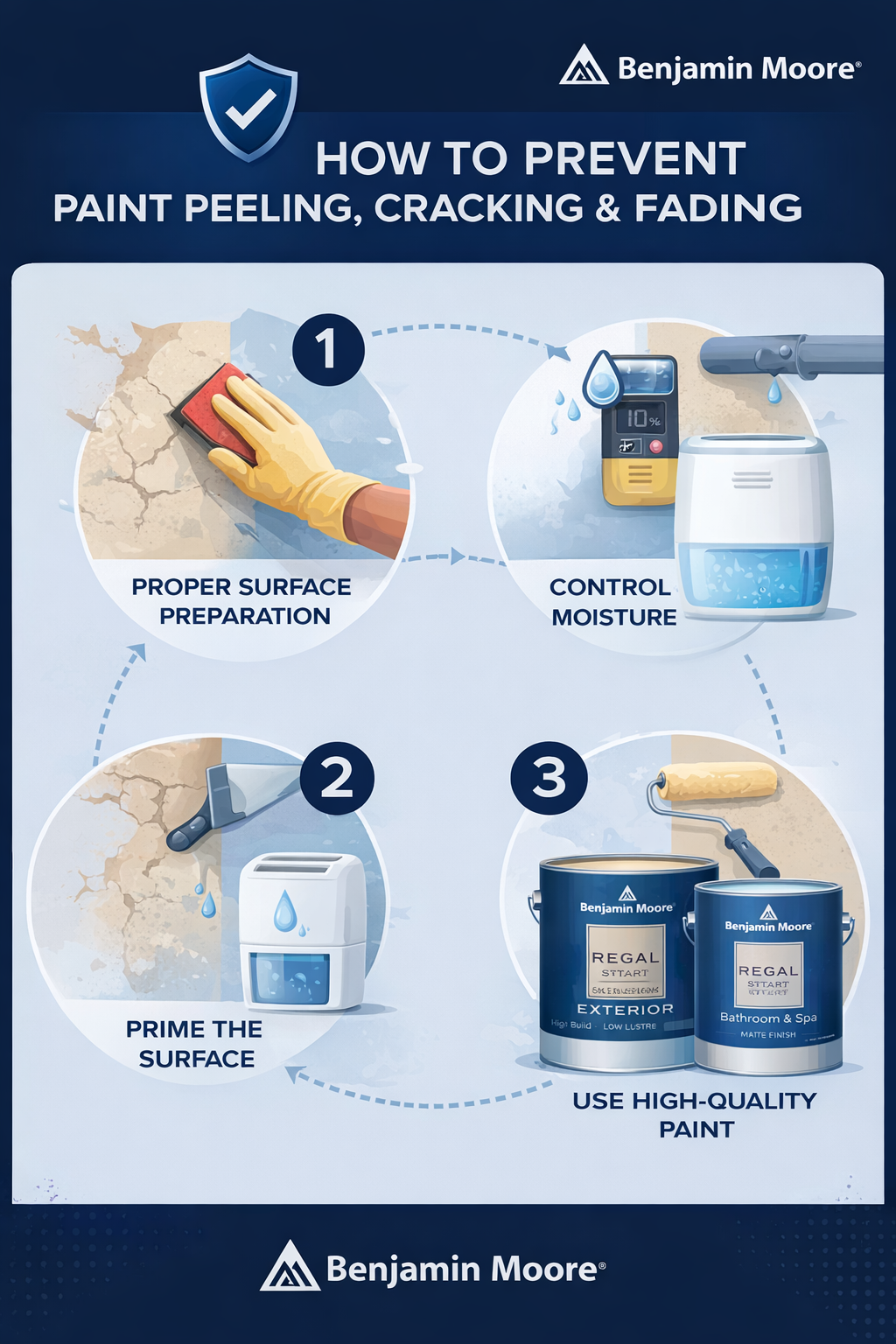
Proper surface preparation and painting techniques
Surface preparation is the foundation of a long-lasting paint job. Without proper preparation even premium paint will fail prematurely.
First of all remove dust grease and old flaking paint using suitable cleaners and tools. Then repair cracks dents and uneven areas to create a smooth uniform surface. Sanding helps improve adhesion and ensures even paint absorption.
After preparation allow the surface to dry completely. Rushing this stage often leads to peeling and blistering later.
Why surface preparation matters
When surfaces are clean and stable paint bonds properly. This prevents air pockets moisture intrusion, and uneven texture. As a result paint lasts longer and looks better.
Moisture control before painting is essential
Moisture is one of the leading causes of paint failure. Therefore, moisture control before painting is critical for both interior and exterior projects.
Check walls for water leaks rising damp or condensation. Repair plumbing issues roof damage and poor ventilation before painting. Use exhaust fans in kitchens and bathrooms to reduce humidity buildup.
Painting over damp surfaces almost always leads to peeling bubbling and cracking.
Areas most affected by moisture
- Bathrooms and kitchens
- Exterior walls exposed to rain
- Basements and storage areas
- Poorly ventilated rooms
Managing moisture protects both paint and structural integrity.
Primer selection for walls improves durability.
Primer acts as a bonding layer between the paint and the surface. Skipping primer weakens adhesion and shortens paint lifespan.
Different surfaces require different primers. Masonry surfaces need sealing primers, while wood surfaces benefit from stain-blocking primers. Moisture-resistant primers are ideal for high-humidity areas.
Correct primer selection for walls improves color consistency and enhances paint durability.
Primer benefits overview
| Surface Type | Recommended Primer | Key Benefit |
| Drywall | Latex primer | Smooth even finish |
| Concrete | Masonry primer | Reduced absorption |
| Wood | Oil-based primer | Prevents staining |
| Metal | Rust-inhibiting primer | Corrosion protection |
Preventing paint cracking on walls
Paint cracking on walls occurs when the paint loses flexibility. Temperature changes structural movement and thick paint layers often contribute to this issue.
Use high-quality paints designed for flexibility and durability. Apply thin even coats instead of heavy layers. Allow sufficient drying time between coats according to the manufacturer’s instructions.
Avoid painting during extreme heat cold or high humidity conditions since these prevent proper curing.
Interior paint cracking repair methods
Interior paint cracking repair begins with identifying the crack type. Hairline cracks require light sanding and repainting. Larger cracks need filling and reinforcement.
Follow this structured process.
- Remove loose paint carefully.
- Sand edges for smooth blending
- Apply filler and allow full curing
- Prime repaired areas properly
- Repaint using a matching finish
This approach ensures repairs remain durable and visually seamless.
Paint fading prevention tips for lasting color
Paint fading occurs when sunlight breaks down pigments over time. Therefore paint fading prevention tips focus on UV resistance and smart color selection.
Exterior paints with UV-resistant formulas retain color longer. Lighter shades also fade more slowly than deep saturated tones. Regular cleaning removes dirt that accelerates fading.
Using premium exterior paints significantly extends color life.
Exterior paint peeling solutions that work
Exterior surfaces face constant exposure to moisture heat and sunlight. Therefore, exterior paint peeling solutions must address environmental stress.
Choose weather-resistant paints designed for outdoor use. Seal gaps around windows doors and trim to block water entry. Maintain gutters and drainage systems to prevent wall saturation.
Routine inspections help catch early peeling before it spreads.
Choosing quality paint products makes a difference
Paint quality plays a major role in durability and finish. Premium paints offer better coverage flexibility and resistance to environmental damage.
Professional-grade products are formulated to handle regional climate conditions effectively. Homeowners seeking reliable solutions can explore premium options at https://benjaminmoorepk.com and https://benjaminmoorepk.com/shop/.
High-quality paint combined with correct application reduces repainting frequency and long-term costs.
Maintenance practices that extend paint life
Paint care continues even after the surface dries. Regular maintenance preserves appearance and performance.
- Clean painted surfaces annually using mild cleaners
- Fix leaks and moisture issues promptly
- Touch up damaged areas early
- Reapply sealant around joints when needed
These practices significantly delay repainting.
Protect Your Space With Confidence
A flawless paint finish is the result of informed preparation skilled application and the use of premium quality materials. When you understand how to prevent paint peeling, cracking, and fading you protect both the visual appeal and long-term value of your space.
Enhance your interiors and exteriors with professional-grade paints trusted by experts worldwide. You can explore a wide range of high-quality coatings expert guidance and timeless color solutions at https://benjaminmoorepk.com and https://benjaminmoorepk.com/shop/. For a more personalized experience visit the Hadayat & Co. showroom where you can see finishes firsthand and receive expert advice tailored to your project. Invest in quality today and enjoy beautifully protected walls that stand the test of time.
Frequently Asked Questions
-
What causes paint to peel most often?
Moisture trapped beneath paint layers is the most common cause. Proper drying and moisture control prevent peeling.
-
Can primer help stop paint cracking?
Yes, primer improves adhesion and flexibility. It reduces stress on paint layers and prevents cracking.
-
How long should surfaces dry before painting?
Most surfaces require at least twenty four to forty-eight hours of drying, depending on climate conditions.
-
Are fading-resistant paints worth the investment?
Yes they maintain color longer and reduce repainting costs over time.
-
Can peeling paint be painted over directly?
No loose paint must be removed first. Painting over peeling areas causes repeated failure.