

Paint Absorption on Plaster, Concrete, and Drywall Explained

Paint absorption on plaster, concrete and drywall affects coverage, sheen, and durability. Therefore, knowing how each surface behaves saves time and paint. It also prevents patchy color and early peeling. Additionally, the right primer choice can significantly transform the results.
When you understand porosity, you can plan coats confidently. As a result, you get smoother walls and truer color. You also avoid wasted labor and surprise touch-ups. So, let’s break it down in a simple way.
Why does paint absorption change from wall to wall
Every wall has a different level of porosity. Because of that, paint can soak in unevenly. This affects how much paint you need per coat. It also affects how even the finish looks.
Porous surfaces pull liquid fast. Therefore, the binder in paint can sink too deeply. Then the pigment stays near the top with less support. As a result, you may see dull spots or flashing.
This is where wall porosity and paint coverag matters most. In addition, repairs can behave differently from the original surface. So, suction control becomes the key step. It helps paint form an even film.
Paint absorption on plaster, concrete and drywall: How each surface behaves
Paint absorption on plaster, concrete and drywall is not the same story. However, you can predict it with a few cues. Look at texture, age, and previous coatings. Also check if the wall was recently repaired.
Older plaster can be thirsty and dusty. Meanwhile, new concrete can be dense yet alkaline. Drywall is often moderate, but joints can absorb paint quickly. Therefore, you need surface-specific prep.
The goal is even absorption. So, you want primer penetration and bonding without over-soaking. In addition, you want a consistent sheen across patches. That is why primer choice is not optional.
Plaster vs concrete vs drywall paint absorption: The porosity factor
Plaster vs concrete vs drywall paint absorption differs due to material structure. Plaster has micro-pores that can pull paint fast. Concrete can vary by mix and finishing. Drywall has paper that absorbs differently from compound.
Plaster often shows skim coat absorption after repairs. Therefore, patches may flash under light. Concrete can show weak adhesion when alkalinity is high. So, testing moisture and pH matters.
Drywall paper facing absorption creates a common issue. The paper takes paint differently from mudded joints. As a result, walls can look striped at certain angles. However, a good primer levels suction.
Paint absorption rates by surface: What to expect
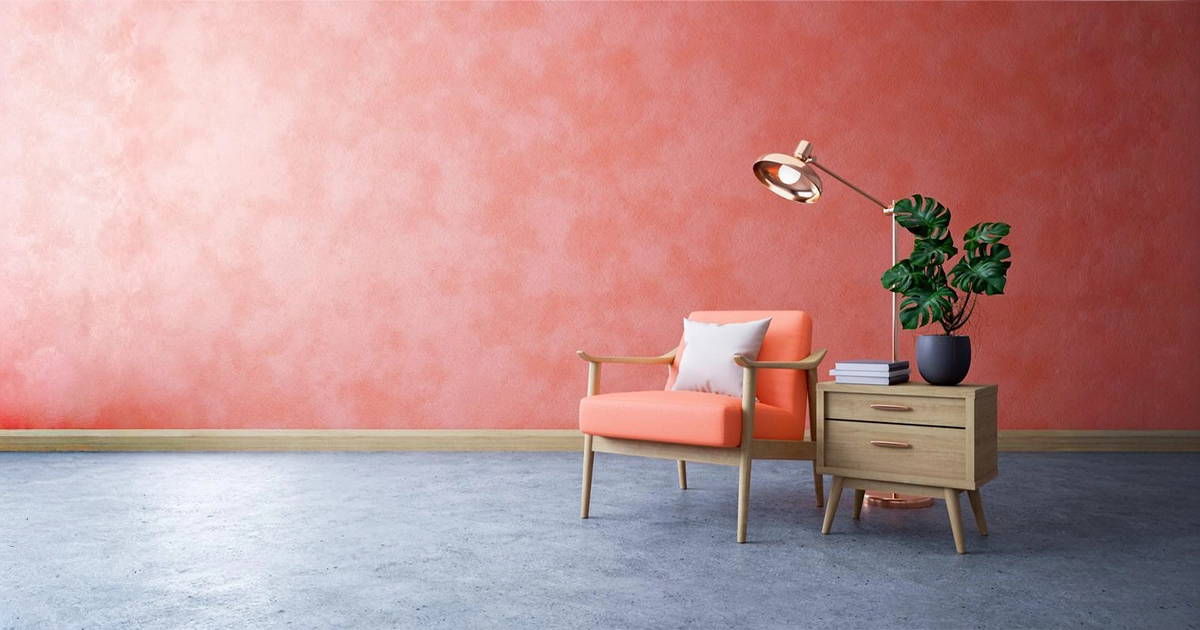
Paint absorption rates by surface help you plan coverage. Still, rates vary by age, dust, and sealing history. Therefore, use them as practical ranges. Also do a small test patch first.
Here is a simple guide you can use. It compares typical suction and coating needs. In addition, it highlights risk areas that cause uneven color.
| Surface | Typical porosity | Common problem | Likely coats with primer |
| Old plaster | High | Flashing at repairs | 1 primer + 2 topcoats |
| New plaster skim coat | Very high | Uneven sheen | 1 sealer primer + 2 topcoats |
| Cured concrete | Medium to high | Dust and pores | 1 masonry primer + 2 topcoats |
| New concrete | Medium | Alkalinity and adhesion | 1 alkali resistant primer + 2 topcoats |
| New drywall | Medium | Joint banding | 1 drywall primer + 2 topcoats |
| Painted drywall | Low to medium | Mixed sheen | Spot prime + 1 to 2 topcoats |
These ranges guide your purchase and timing. However, test areas still matter most. Therefore, watch for darkening and rapid dry edges. If the paint dries too fast, absorption is high.
Paint absorption on plaster, concrete and drywall: Simple field tests
Paint absorption on plaster concrete, and drywall is easy to check.
- Wipe the wall with a dry cloth. If heavy dust appears, adhesion risk increases. So, clean and stabilize first.
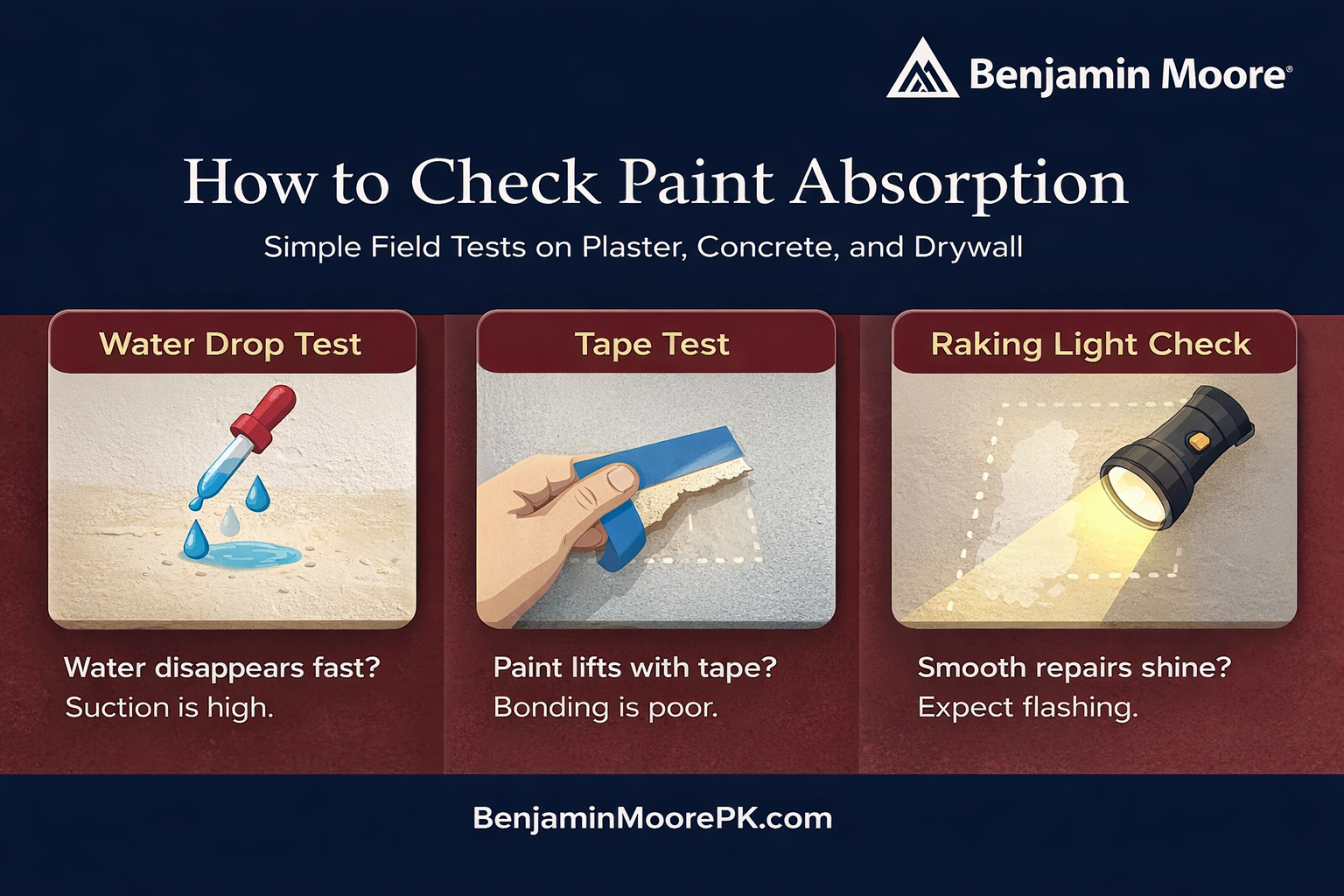
- Do a water drop test. Put a few drops on bare areas. If water disappears in under one minute, suction is high. Therefore, use a sealing primer.
- Also do a tape test on old coatings. Press painter’s tape firmly, then remove quickly. If paint lifts, bonding is weak. So, you need stronger prep and primer.
- Inspect repairs in the raking light. If you see smooth patches, expect flashing. Therefore, prime the full wall, not only spots. That creates uniform suction.
Best primer for plaster walls: When suction is intense
The best primer for plaster walls depends onthe condition and age. For chalky plaster, you need a bonding, penetrating primer. Therefore, it locks down dust and evens suction. It also reduces future peeling.
If you have new skim coat work, sealing porous walls before painting is critical. So, use a primer designed for high suction. This is often called a surface suction control primer. It helps paint stay on the surface.
Use this plaster primer checklist:
- Remove dust, then damp wipe and dry fully.
- Repair cracks, then sand smooth.
- Prime the entire wall for even suction.
- Then apply two finish coats for uniform color.
Also consider color choice early. Therefore, explore inspiration at the Benjamin Moore site. You can review palettes and guidance at benjaminmoorepk.com and the Color Overview pages.
Best primer for concrete walls: Handle alkalinity and pores
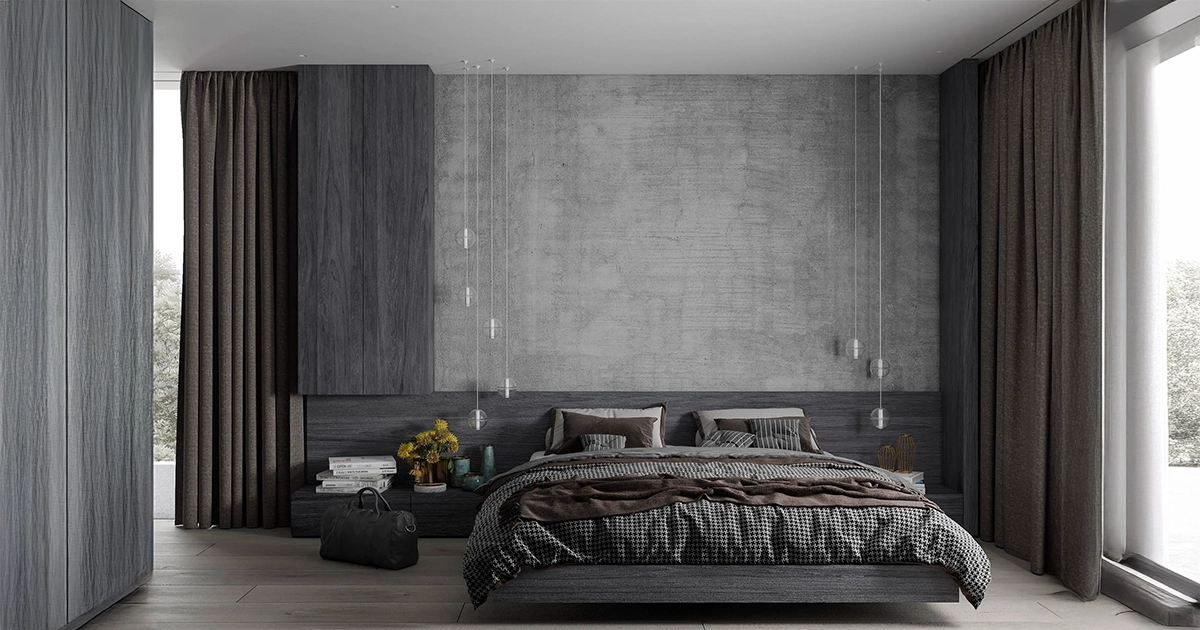
The best primer for concrete walls must address concrete alkalinity and paint adhesion. New concrete can release salts and stay alkaline. Therefore, standard primers may fail early. Instead, use a masonry suitable primer.
Concrete also has pinholes and capillaries. So, primer must bridge and bond. In addition, the wall must be fully cured and dry. Otherwise, moisture pressure can cause blistering.
Follow these concrete steps:
- Let the new concrete cure as recommended by the builder.
- Check for moisture and efflorescence.
- Clean with a suitable cleaner and rinse well.
- Prime with an alkali-resistant masonry primer.
- Apply two topcoats for durability.
If you want a confident color match, use online tools too. Therefore, browse the Find Your Color experience on Benjamin Moore’s official color finder. Then coordinate with local options on benjaminmoorepk.com.
Best primer for drywall: Stop banding and flashing
The best primer for drywall focuses on uniform absorption. Drywall paper facing absorption differs from joint compound. Therefore, walls can show a banded look after painting. A dedicated drywall primer reduces this.
For new drywall, prime the full surface. Do not rely on paint plus primer claims alone. Because joints still absorb differently. As a result, one real primer coat saves finish coats later.
For repaired drywall, spot prime first. The n prime the entire wall when repairs are large. In addition, sand and dust are removed thoroughly. That supports primer penetration and bonding.
Drywall best practice list:
- Feather patch edges, then sand smooth.
- Remove dust, then wipe lightly.
- Prime full walls for uniform suction.
- Finish with two coats for an even sheen.
Practical tips to reduce paint loss and improve coverage
Better coverage starts before you open the paint can. Therefore, prep and priming are your biggest wins. Also choose the right sheen for the surface condition. A higher sheen can highlight flaws.
Use these habits for better results:
- Box paint together for color consistency.
- Keep a wet edge to avoid lap marks.
- Cut in, then roll while edges stay wet.
- Use quality rollers matched to the texture.
- Allow proper dry time between coats.
Also plan your palette. Therefore, explore curated combinations at the Benjamin Moore PK color palettes page. You can also read helpful guidance in the color insights section. That makes the final look intentional.
Take Control of Paint Absorption for Lasting Results
Paint absorption on plaster concrete, and drywall is manageable with the right plan. Therefore, test porosity, prime properly, and apply consistent coats. Then your color will look richer and last longer.
Ready to choose a paint system that fits your walls? Visit benjaminmoorepk.com to explore guidance, palettes, and inspiration. Also check the color overview and insights pages to refine your pick. You can also reach out to Hadayat & Co.
FAQs
1) What causes paint absorption on plaster, concrete, and drywall to look patchy?
Uneven porosity causesa patchy sheen and color. Therefore, prime for uniform suction first.
2) Which surface usually absorbs the most paint?
New skim coats and old plaster often absorb the most. However, unsealed concrete can also be very thirsty.
3) How do I compare plaster vs concrete vs drywall paint absorption quickly?
Do a water drop test and watch absorption speed. Also check repairs, dust, and previous coatings.
4) Do paint absorption rates by surface change after priming?
Yes, priming reduces suction and evens absorption. As a result, topcoats spread farther and look more consistent.
5) What is the best primer for plaster walls, concrete, and drywall?
Use a suction control primer for plaster repairs, a masonry alkali-resistant primer for concrete, and a drywall primer for new board. Therefore, match primer to surface needs.